


A Nighttime Journey Through Human Suffering and New Ways of Writing
An in-depth exploration of Louis-Ferdinand Céline's 'Journey to the End of the Night' and its profound examination of human suffering through nighttime symbolism


A Nighttime Journey Through Human Suffering and New Ways of Writing
When we think of nighttime adventures, we often picture exciting things to do under the stars, like exploring cities, hiking in the woods, or seeing animals at night. But there is a deeper, more profound journey we can take that goes beyond physical space and into the dark parts of the human soul. Louis-Ferdinand Céline's 1932 autofiction novel Voyage au bout de la nuit (Journey to the End of the Night) is about this kind of nighttime adventure.
Céline's book isn't a typical adventure story; it's a literary journey full of dark realism, strong feelings, and new ways of writing. The main character, Ferdinand Bardamu, is based on the author's own life and goes through the horrors of World War I, the brutal colonial exploitation of Africa, and the despair of being poor in Paris. In Céline's work, the night is more than just a time of day; it stands for the darkness, pain, and suffering that are part of life and the human condition.
In this in-depth article, we will look at the main ideas in Journey to the End of the Night, its new ideas in literature, and why it is still important today. We will also link these themes to the bigger idea of nighttime adventures, which are not only physical journeys but also symbolic journeys through human experience.
The main idea is to use nighttime symbols to explore human suffering in literature.
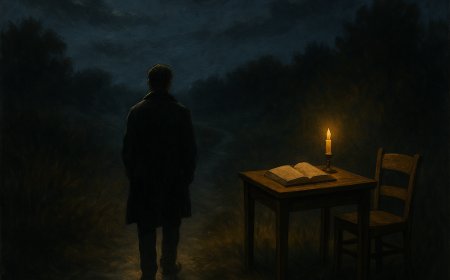
Journey to the End of the Night by Louis-Ferdinand Céline uses the night as a metaphor to explore the depths of human suffering and existential despair. In this case, nighttime means darkness, which is not just the lack of light but also the fear, hate, and decay that are always present in human life.
Ferdinand Bardamu's Semi-Autobiographical Journey
- The Horrible Truth About War: Bardamu's time in the trenches during World War I shows how pointless and terrible war is. Céline's story is brutally honest, focusing on pain and disappointment, unlike romanticised stories about war.
- Colonial Africa's Oppression: Bardamu's trip to colonial Africa shows how European imperialism is based on exploitation and a lack of morals.
- Living in poverty in Paris: When Bardamu returns to France, he sees the terrible poverty and social decay of Paris between the wars, which shows how class struggles and neglect are affecting society.
This three-part structure is like a journey deeper into layers of darkness, both outside and inside, where nightfall is both real and symbolic.
How Critics Reacted and What Caused the Controversy
Journey to the End of the Night won the Prix Renaudot, a very important award, in 1932, but critics were split because of how dark and honest it was about how cruel people can be. Some people thought the book was nihilistic, while others praised it as a revolutionary look at modern society.
Important Ideas in Journey to the End of the Night
To really appreciate Céline's great work, you need to know what its main themes are, which are what make it so important in literature.
1. Pessimism: Life as a Trip Through the Night and Winter
Céline's view of the world is always dark. "Winter and Night," which stand for coldness, darkness, and death, are used to show how life is always moving forward.
- Existential Suffering: Life is full of pain and hardship that you can't avoid or get over.
- Death as the Inevitable End: In the book, death isn't just an idea; it's a real thing that is going to happen, the "end of night."
- Coldness and Isolation: The winter metaphor is similar to emotional emptiness, which makes the feeling of being alone in the world even stronger.
This widespread negativity forces readers to face uncomfortable truths about death and the human condition, making the book a deep meditation on suffering.
2. Hate and Survival: Using Malice to Keep Your Dignity
Céline's characters often act cruelly for no reason, which shows a society that has lost its kindness and idealism. But even in the middle of all this cruelty, acts of defiance show that people have dignity.
- Gratuitous Malice: The book shows the bad side of people, where hate and cruelty are common.
- Defiance as Resistance: Even so, the characters fight dehumanisation by making it clear that they want to live and keep their identity.
- Moral Complexity: Céline doesn't make his characters simple by saying they are either good or bad. Instead, he shows them as complicated people who are shaped by harsh environments.
This theme makes us think hard about morality, survival, and the human spirit when things are tough.
3. New ideas in literature: how language shows how society is falling apart
Céline's revolutionary use of language is one of the most important things he did for literature. It reflects the novel's themes of decay and disillusionment.
- Colloquial Style: Céline breaks literary rules by using everyday language in his writing. This makes his characters' voices sound real.
- Medical Jargon: The use of clinical and scientific terms a lot shows how life is becoming more mechanical and less human, especially in medicine and war.
- Obscenities and Rawness: The novel's raw emotional intensity and societal breakdown are highlighted by the unapologetic use of obscenities.
These language choices work together to make readers feel like they are in the gritty world of the novel, which makes it more emotional and thematically powerful.
Why Journey to the End of the Night Is Still a Great Book Today
Céline's Journey to the End of the Night is still very important almost 100 years after it was published because it doesn't hold back in its criticism of the darkest parts of the 20th century.
Exposing War, Colonialism, and Class Struggle
- The novel's honest look at World War I breaks down romanticised ideas of heroism and glory.
- Colonial Exploitation: Céline's picture of Africa criticises the moral and economic corruption of imperialism.
- Class Inequality: The Parisian parts show how society is divided and how the poor are ignored.
These themes are still important because societies are dealing with the effects of war, colonialism, and inequality.
Impact on Modern Literature and Ideas
- Céline's dark view of life helped pave the way for later existentialist writers like Jean-Paul Sartre and Albert Camus.
- Postcolonial Studies: His ideas about how colonialism hurt people are still important in important conversations.
- Psychological Realism: The book's brutally honest portrayal of emotions has an effect on how trauma and mental pain are shown in modern works.
Nighttime Adventures: Exploring the Real World Beyond Books
While Céline's novel explores the night through symbolic and psychological lenses, nighttime adventures in the real world offer parallel experiences—journeys into the unknown that challenge and transform.
Different kinds of nighttime fun
Hiking at night and exploring the wild
- Find out what nature sounds and looks like after dark.
- Encounter nocturnal wildlife and star-filled skies.
- Be mindful and alone in the dark.
Explore the city at night by walking.
- Experience cities from a different perspective.
- Witness nightlife, street art, and urban rhythms.
- Get involved with communities and cultures after hours.
Astronomy and looking at the stars
- Think about life and connect with the universe.
- Learn about the stars, celestial events, and myths.
- Use the dark as a way to think and wonder.
Art and photography at night.
- Take pictures of how light and shadow work together.
- Use night scenes to explore creative expression.
These adventures, real or imagined, are similar to the themes in Céline's work, which is about exploring darkness to find deeper truths about oneself and the world.
How to Accept Your Own Journey to the End of Night.
Here are some useful ways to start your own meaningful journey, based on Céline's book and the thrill of nighttime adventures:
1. Think about things by reading and writing.
- Read the book Journey to the End of the Night slowly: Take in its language, themes, and emotional depth.
- Write down your thoughts: Tell us about your experiences with hardship, survival, and strength.
- Read books that deal with existential issues and criticise society.
2. Plan things to do at night.
- Night hikes: Pick safe trails and see what nature looks like at night.
- Urban Walks: Find the best places to walk in your city at night.
- To see the stars, go to dark-sky parks or observatories.
3. Talk to people and get involved in your community.
- Book clubs: Talk about Céline and other works like it.
- Workshops: Go to writing or photography workshops that focus on nighttime themes.
- Volunteer: Help groups that deal with social problems that Céline's work brings to light, like poverty or veterans' issues.
Suggestions for Internal Linking
If you want to learn more about literary symbolism, nighttime journeys, and social critique, you might want to check out these related posts:
- Night and darkness in classic novels: a look at literary symbolism
- Ten Books That Will Make You Think About War and People in a New Way.
- How to Have Fun at Night While Staying Safe and Mindful
References from outside sources
To learn more about Céline's work and the time in which it was written, check out these reliable sources:
- Britannica has a biography of Louis-Ferdinand Céline.
- The Prix Renaudot Official Website has an analysis of Journey to the End of the Night.
Conclusion: Accept the darkness and find the light.
Journey to the End of the Night by Louis-Ferdinand Céline is a difficult but rewarding book that takes you to the darkest parts of human life. It is a timeless masterpiece because of its unique use of language, honest depiction of suffering, and criticism of problems in society. Readers go on their own nighttime adventure when they read this work. It's an adventure that makes them think, feel, and understand what it means to endure and survive.
Reading, writing, or exploring the real world at night are all excellent ways to grow and learn about yourself. The darkness is not only an end; it is also a beginning—a place where hope, defiance, and resilience quietly last.
Are you ready to look into your journey to the end of the night? Céline's masterpiece will show you how darkness can change you. Subscribe to our newsletter or look through our curated collections today for more literary explorations and ideas for nighttime adventures.
What's Your Reaction?
 Like
0
Like
0
 Dislike
0
Dislike
0
 Love
0
Love
0
 Funny
0
Funny
0
 Angry
0
Angry
0
 Sad
0
Sad
0
 Wow
0
Wow
0